
Forest School at Horncastle Primary School
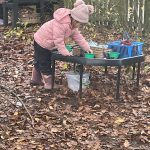
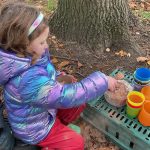
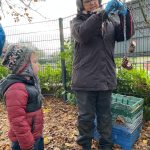
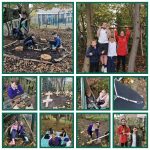
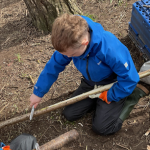
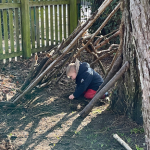
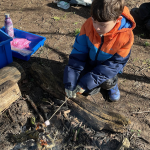
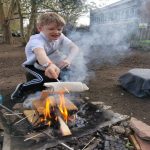
At Horncastle, we believe that the great outdoors is one of the most powerful classrooms a child can experience. Forest School is an inspirational process that offers all learners regular opportunities to achieve and develop confidence and self-esteem through hands-on learning experiences in a woodland environment.
What is Forest School?
The Forest School concept originated in Scandinavia in the 1950s, where it was—and remains—a fundamental part of early years education. It was introduced to the UK in the mid-1990s by a group of nursery nurses who visited Denmark and saw first hand how child-led, outdoor play transformed children’s engagement with learning. Today, it is a globally recognized pedagogical approach that focuses on the “whole child,” not just their academic progress.
Forest School at Horncastle
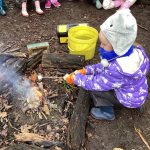
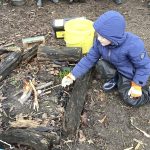
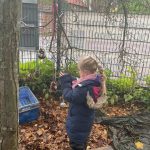
We are proud to offer a structured yet flexible program that ensures every child benefits from the magic of the outdoors. Our sessions are led by Mrs Craigs and Mrs Wasley, who are both Level 3 Forest School trained practitioners. Their expertise ensures that sessions are safe, educational, and deeply rewarding. Each Forest School session lasts for at least 1.5 hours, allowing plenty of time for children to immerse themselves in their activities and the natural surroundings. To ensure continuity and depth of learning, each year group (from Reception to Year 6) enjoys a dedicated block of 6 weeks per school year. Our Preschool children attend Forest School weekly, providing them with a consistent outdoor routine from the very beginning of their school journey. Forest School happens in almost all weathers! Please ensure your child is equipped with appropriate outdoor clothing and sturdy footwear during their scheduled block.
The Benefits of Outdoor Learning
Forest School is much more than just “playing in the woods.” It provides a unique environment where children can take supported risks and develop essential life skills. Key benefits include:
- Resilience and Confidence: Children learn to solve problems, try new things, and bounce back from challenges.
- Physical Health: Sessions encourage movement, improving gross and fine motor skills and physical stamina.
- Social Skills: Group tasks foster communication, teamwork, and empathy.
- Emotional Wellbeing: Spending time in nature is proven to reduce stress and improve mental health.
- Environmental Awareness: By connecting with the local flora and fauna, children develop a lifelong respect for the natural world.